
Welcome to the whimsical world of Feng Shui energy flow, where your living space can be as happy as a cat in a sunbeam! Imagine your home as a magical realm where energy dances and flows like a river, all thanks to the ancient wisdom of Feng Shui. Here, we’ll explore how to sprinkle some good vibes across your abode using principles that turn clutter into clarity and dull spaces into delightful sanctuaries!
From the mystical Bagua map guiding energy distribution like a GPS for positivity to color schemes that can transform your mood faster than you can say “chi,” we’re about to embark on an enlightening journey that’s equal parts fun and functional. Get ready to rearrange your furniture like a Feng Shui ninja and select appliances that don’t just hum quietly but harmonize with your spirit!
Understanding Feng Shui Principles
In the grand symphony of life, Feng Shui acts as the conductor, guiding the harmonious flow of energy, or “Chi,” within our spaces. Think of it as the ancient Chinese art of arranging your living environment, ensuring that good vibes flow like a well-tuned orchestra. The principles of Feng Shui are not just about pretty decorations; they are steeped in philosophy and practicality, influencing everything from your mood to your bank balance.
Let’s dive into the captivating world of Feng Shui and uncover how to transform your abode into an energizing sanctuary.
Core Principles of Feng Shui
At the heart of Feng Shui are several core principles that dictate how spaces interact with energy. These principles establish a framework for creating environments that promote health, wealth, and happiness. Key elements include:
Chi (Qi)
The life force that flows through everything. Just like your favorite playlist, it needs to be curated properly to keep the good vibes rolling.
Yin and Yang
The balance between opposing forces. Finding harmony between tranquility (yin) and activity (yang) is essential for a balanced space.
The Five Elements
Wood, Fire, Earth, Metal, and Water. These elements interact in various ways, influencing how energy flows in your surroundings. It’s like a quirky cocktail party where each element brings its unique flavor!
“A harmonious space is a happy space!”
Significance of the Bagua Map
The Bagua map is like the GPS system for Feng Shui, guiding you through the energetic landscape of your home. It divides your space into nine areas, each correlating to different aspects of life such as health, wealth, and relationships. By analyzing the Bagua map, you can enhance specific areas to amplify positive energy flow.When using the Bagua map, it’s important to overlay it on your floor plan.
This way, you can identify which sections correspond to which life areas. Here’s a quick overview of the Bagua map areas:
- Wealth & Prosperity: Located in the far left corner, this area attracts financial success. Think green plants and abundance vibes!
- Fame & Reputation: Position yourself in the center back area to radiate your best self to the world. Bright colors and lighting create a spotlight effect!
- Love & Relationships: The far right corner encourages harmony and connection. Soft lighting and romantic decor can work wonders here.
Each area has its significance, and enhancing them can lead to an energizing shift in your life.
Color Schemes and Feng Shui Energy Flow
Colors play a crucial role in Feng Shui, acting as mediums for energy flow. Each hue resonates with specific energies, influencing both the atmosphere of a space and the emotions of its inhabitants.For instance, using warm colors like reds and oranges can stimulate passion and energy, perfect for a lively living room. Conversely, cooler tones like blues and greens promote serenity and relaxation, ideal for calming bedrooms.
Here’s a brief breakdown of how certain colors can enhance Feng Shui energy:
- Red: Symbolizes good fortune and happiness. A splash of red in your décor can ignite energy like a firecracker on New Year’s Eve!
- Green: Represents growth and healing. Incorporate green through plants or decor to create a refreshing oasis.
- Yellow: The color of sunshine and cheer. Use yellow in kitchens or dining areas to promote warmth and positivity.
By being intentional with your color choices, you can create a vibrant energy flow that resonates with your personal goals and desires. Transform your space into a canvas of positive energy, and let the colors do the talking!
Feng Shui in Home Design and Improvement
Incorporating Feng Shui principles into home design isn’t just about putting the right plant in the right corner and hoping for the best. It’s a delightful dance of energy and intention that makes your space not only aesthetically pleasing but also a zen-like sanctuary! With a sprinkle of humor and a dash of style, let’s dive into how to optimize your home’s energy flow for ultimate serenity—and maybe even a bit of good luck!Feng Shui transcends mere decoration; it’s about orchestrating a harmonious environment.
When tackling home improvement projects, consider how each element contributes to the overall energy of the space. This means paying mind to layouts, colors, and even that oddly shaped couch that you thought would be a conversation starter. Here are some enlightening tips to get you started on your Feng Shui journey!
Furniture Arrangement for Harmony and Balance
The way you arrange your furniture can significantly affect the energy flow in your home. Think of furniture as the cast of a play; each piece has its role to play, and they need to be positioned just right to create a harmonious scene.To achieve a balanced arrangement, consider the following:
- Clear Pathways: Ensure there’s enough space to encourage easy movement. Avoid cluttering up the walkways; after all, you don’t want guests to feel like they’ve entered an obstacle course!
- Command Position: Place key furniture items, like your bed and desk, in a commanding position. This means having a clear view of the door without being directly in line with it. It’s all about feeling in control—like a boss!
- Sofas and Chairs: Arrange seating to promote conversation and connection. Avoid isolating a chair in the corner like a wallflower at a party. Make sure everyone can join in the fun!
- Function and Flow: Consider the function of the room. A dining area should encourage a gathering vibe, so avoid blocking the table with random furniture pieces. Keep it open and inviting!
Each choice you make in furniture placement should echo the underlying intention of fostering positive energy and nurturing relationships among the people who inhabit the space.
Selecting Home Appliances for Feng Shui Energy Flow
Choosing the right appliances is not just about convenience; it’s also about aligning them with the harmonious energy flow of your home. The goal is to select appliances that enhance your overall well-being and contribute positively to your environment.Before you rush off to buy that shiny new gadget, consider the following guidelines:
- Go for Energy Efficiency: Appliances that are energy-efficient not only save you money but also promote good chi. Think of them as the eco-warriors of your kitchen!
- Color Matters: When selecting appliances, keep in mind the colors associated with Feng Shui elements. For instance, a white refrigerator can bring a fresh, clean vibe, while a red toaster might ignite passion and energy in the kitchen. Choose wisely!
- Placement is Key: Ensure that appliances don’t obstruct pathways or create a sense of chaos. A blender sitting at the edge of the counter is more inviting than being crammed in the back of a cupboard, waiting for its moment of glory.
- Sound Sensitivity: Consider the noise levels of your appliances. A quiet dishwasher is like a gentle lullaby, whereas a clunky old machine can sound like a marching band. Choose wisely to keep the peace!
By integrating these insights into your home design and improvement projects, you’ll create a space that not only looks great but also feels like a sanctuary where good energy flows freely. Embrace the principles of Feng Shui, and watch your home transform into a blissful retreat!
Practical Applications of Feng Shui in Various Home Areas
Feng Shui is more than just a trendy term to spice up your living space; it’s a way to create a harmonious environment that allows positive energy to flow freely. In this guide, we’ll wade into the nitty-gritty of Feng Shui applications in key areas of your home—where to place that beloved houseplant, how to arrange your furniture for optimal vibes, and why your bathroom should be treated like the royal throne room it is.
Let’s dive into the art of balance and serenity!
Feng Shui in the Bathroom
The bathroom is often a neglected space in terms of energy flow, but it’s essential to keep the vibes sparkling. A cluttered and uninspired bathroom can drain your chi faster than your morning coffee disappears! To counteract this, consider the following tips for a more positive energy flow:
- Keep it Clean: Regular cleaning doesn’t just promote hygiene; it clears stagnant energy. Remember, a fresh bathroom is a happy bathroom!
- Mirrors with Purpose: Position mirrors to reflect light and not the toilet. A well-placed mirror can multiply light and energy, but avoid reflecting anything too… intimate!
- Color Choices: Utilize light, soothing colors like soft blues or greens to create a calm atmosphere. Think spa, not disco!
- Ventilation is Key: Ensure good airflow. Open windows or invest in an air purifier to let go of stale energy—after all, no one needs to breathe in yesterday’s turtleneck.
Feng Shui in the Kitchen
The kitchen is the heart of the home, but if it’s cluttered, it can feel more like a chaotic food factory. Optimizing this space with Feng Shui not only improves the energy flow but also enhances your culinary creativity. Here are strategies to stir up some good vibes:
- Placement Matters: Ideally, the stove should be in a command position—facing the entrance of the kitchen. You want to see who’s sneaking in while you’re whipping up that gourmet meal!
- Declutter Countertops: A clean countertop encourages the flow of energy and your cooking prowess. Remove any unused appliances faster than you can say “takeout!”
- Natural Materials: Incorporate wood or stone elements in your kitchen design. They not only look great but also promote a grounded energy flow. Plus, who doesn’t love a rustic charm?
- Fresh Produce: Keep a bowl of fresh fruit or vegetables on display. They symbolize abundance and prosperity. Plus, they’re great for snacking!
Feng Shui in the Bedroom
Your bedroom should be a sanctuary for rest and rejuvenation. A well-designed bedroom can help you sleep like a baby and wake up feeling like a superhero! Here are some Feng Shui principles to ensure your slumber space promotes sweet dreams:
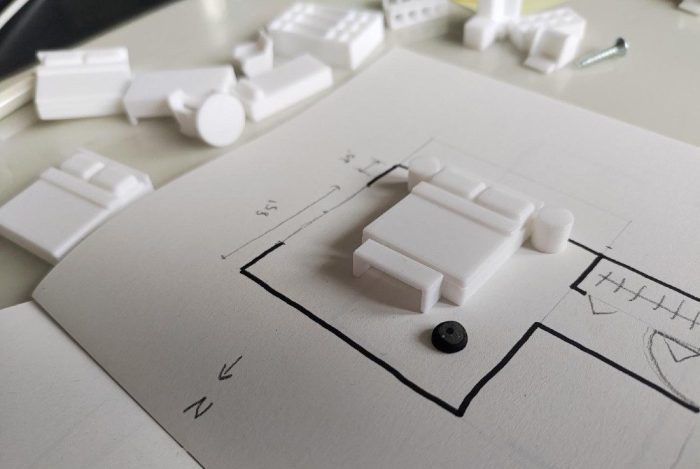
- Bed Placement: Position your bed away from the door but still within sight of it. You want to see the world while feeling secure—a perfect balance!
- Limit Electronics: Reduce the number of gadgets to avoid electromagnetic chaos. If you sleep with your phone, it might be time to rethink that relationship!
- Soft Lighting: Use dimmable lights to create a soft ambiance. Harsh lighting can send you into a frenzy instead of tranquil slumber!
- Soothing Textiles: Opt for soft, natural fabrics for bedding. Think cotton or linen rather than that shiny, synthetic stuff that makes you feel like you’re sleeping on a slip ‘n slide.
Utilizing Woodworking Projects for Enhanced Feng Shui
Woodworking can be a delightful way to infuse your home with natural energy and warmth. Incorporating handmade wooden elements into your living space can elevate the Feng Shui vibe while also giving you that “I made this!” satisfaction. Here’s how to get started:
- Choose Natural Wood: Opt for sustainably sourced wood like bamboo or oak, which are not only beautiful but also promote positive energy.
- Functional Furniture: Create multipurpose furniture, such as a coffee table with storage, to keep clutter at bay while enhancing the flow.
- Decorative Touches: Add wooden sculptures or wall art that speaks to you. They act as energy amplifiers and conversation starters!
- Be Mindful of Shapes: Incorporate rounded edges and organic shapes in your designs. Sharp corners can lead to “poison arrows” that disrupt the flow of chi.
Energy Efficiency Meets Feng Shui
Sustainable living doesn’t have to clash with Feng Shui principles—it can actually enhance them! Implementing energy-efficient practices in your home can create a more harmonious and balanced environment. Below are ways to merge sustainability with good vibes:
- Lighting Choices: Use LED bulbs that mimic natural light to promote well-being. Plus, they’ll save you money—what’s not to love?
- Smart Ventilation: Enhance airflow with strategically placed windows or energy-efficient fans. Fresh air can do wonders for both energy levels and mood.
- Eco-Friendly Materials: Utilize bamboo flooring or recycled materials in your design. They are sustainable and will make your home feel cozy and inviting.
- Natural Elements: Incorporate plants that purify the air and foster vitality. Think of them as your green roommates who never complain!
Final Wrap-Up
As we wrap up our Feng Shui adventure, remember that the secret to a harmonious home lies in the delightful dance of energy flow. By understanding and applying these principles, you can turn your space into a sanctuary that not only looks good but feels good too. So, why not give your home the energetic makeover it deserves? After all, a happy home is a happy heart!
FAQ
What is Feng Shui energy flow?
Feng Shui energy flow refers to the movement of chi, or life force, through a space, influencing the atmosphere and well-being of its inhabitants.
How can I enhance Feng Shui in my home?
You can enhance Feng Shui by decluttering, using the Bagua map to identify energy zones, and incorporating balanced color schemes and furniture arrangements.
Do color choices affect Feng Shui?
Absolutely! Colors can evoke different emotions and energies, so choosing the right ones can significantly enhance the positive flow of chi.
Is Feng Shui only for homes?
Nope! Feng Shui principles can be applied to offices, gardens, and even public spaces to promote well-being and harmony.
Can I DIY Feng Shui improvements?
Definitely! Many Feng Shui adjustments, like rearranging furniture and adding plants, can be done easily at home without professional help.

